


Immunotherapies
Targeted Immunotherapy for Allergy Control
Customized therapeutic solutions that act directly on the causes of allergy, improving symptoms and preventing the evolution of the disease.


Learn more about our advanced solutions in the field of immunotherapies.

Immunotherapy for Allergies
Specific vaccination to modify the course of allergy.
Bacterial Immunotherapy
Innovative strategies for chronic infection control.
Allergy Diagnostics
We offer advanced solutions for personalized allergy diagnostics.
Immunotherapy for Allergies
It is the only treatment that acts on the cause of the allergy, with a significant probability of cure, as recognized by WHO.

What is it?
Allergen immunotherapy is a long-term treatment (3-5 years) based on the gradual administration of allergenic extracts. During the induction phase, doses are gradually increased until the optimal dose is reached, followed by the maintenance phase with periodic administrations (every 2-8 weeks).
Allergy Diagnosis
Accurate diagnosis of allergic sensitization is the crucial first step in improving patients' quality of life. We use well-characterized and standardized allergenic extracts to perform skin tests, such as prick-test and intradermal, as well as provocation tests (nasal and conjunctival) in specific cases.
Diagnostic tests are designed to provide accurate results essential for proper therapeutic management, always conducted by specialists in the field.
Allergy Treatments
We offer several immunotherapy modalities:
Sublingual (SLIT): Innovative solutions such as BELTAORAL and BELTAORAL PRO, designed to ensure comfort and safety during intake.
Sottocutanea (SCIT): Products such as BELTAVAC DEPOT, BELTAVAC POLYMERIZED, BELTAVAC POLYMERIZED PRO, and BELTAVEN, ideal for targeted and controlled interventions.
Each treatment is designed to offer maximum therapeutic efficacy, with protocols tailored to the patient's profile.
Frequently Asked Questions (FAQ)
How can I get a vaccine?
Allergy vaccines must be prescribed by an allergist. With a prescription, the patient can order them through the pharmacy from Probelte Pharma.
What to do in case of an adverse reaction to a vaccine?
It is always advisable to contact your allergist, especially in case of a generalized reaction. The physician will consider whether to change the administration schedule or discontinue the treatment.
Can I take other medications along with the vaccine?
Most medications, particularly those for allergies, have no contraindications with vaccine administration. However, beta-blockers (used to treat heart attack, angina, hypertension, tachycardia from hyperthyroidism, and essential tremors) may be a relative contraindication to immunotherapy. If you take these medications, consult your doctor before proceeding.
What happens if I have to receive another vaccine at the same time?
If you must receive another vaccine at the same time, it is advisable to postpone or advance one of the two administrations by at least one week.
Can a vaccine be administered in case of fever?
If fever exceeds 37.5°C, vaccine administration should be suspended until recovery.
- If you are in the maintenance phase, resume treatment following the established schedule.
- If you are in the initial phase and the withdrawal is less than three days, resume normally. If it is more than three days, consult your allergist for instructions on how to continue.
What to do if I miss a dose of sublingual vaccine?
Resume treatment following the schedule of administration from the point where you had stopped it.
How long does allergen immunotherapy treatment last?
The duration varies between 3 and 5 years. However, allergic symptoms may begin to reduce as early as the initial stages of treatment.
Can a pregnant patient be vaccinated?
According to the guidelines of allergology societies:
- If the patient is pregnant and is already taking a vaccine in the maintenance phase without any problems, she can continue with the established plan.
- If the patient is pregnant and starting treatment or is in the early stage, it is recommended that immunotherapy be discontinued or not started, as the risk of adverse reactions could be harmful to the fetus.
In addition, pregnancy can affect the course of allergic disease, so more frequent monitoring with the allergist is recommended.
When should the sublingual vaccine be administered?
The vaccine should be taken on an empty stomach, always at the same time of day. After administration, it is important not to brush your teeth for a period of time.
Can expired vaccines be used?
No, once the expiration date indicated on the package has passed, the vaccine should not be administered. The active ingredients may have degraded, reducing the effectiveness of the treatment.
What to do if the vaccine cold chain breaks down?
Temperature-sensitive vaccines can withstand room temperature for a few hours or, in some cases, days without significant alteration. Custom allergen injections are stable up to 30°C for up to 15 days. However, it is recommended not to leave vaccines out of the refrigerator (max 28°C) for prolonged periods.
What to do if a vaccine freezes?
Vaccines are biological products that lose their effectiveness if frozen. In this case, the vaccine must be discarded and replaced by ordering a new one through the pharmacy.
How to transport a vaccine during a trip?
- If the trip lasts only a few hours, the vaccine does not need refrigeration, but should be protected from direct sunlight and heat sources.
- On airplanes, the vaccine should be carried in carry-on luggage, never in checked luggage to avoid the risk of frostbite.
- Store the vaccine in the container provided by the laboratory. Never freeze it and, once at its destination, store it in a cool place.
What to do if a vaccine vial is lost, damaged, or broken?
If a vial is lost, broken, or damaged, a new one should be requested through the pharmacy as soon as possible to avoid delays in treatment.
When to order the maintenance vaccine?
To avoid interruptions in treatment, it is advisable to order the maintenance vaccine well in advance, taking into account the time required for preparation and delivery.
Can allergy be treated?
According to the World Health Organization (WHO), immunotherapy is the only treatment that can change the natural course of allergy, reducing or eliminating symptoms.
Can early exposure to allergens protect against future allergies?
Exposing children to allergens can strengthen their immune systems and reduce the risk of developing allergies in the future.
What advantages does specific immunotherapy have over other allergy treatments?
Immunotherapy modifies the patient's immune response to allergens, reducing symptoms at the root. In contrast, drugs such as antihistamines merely counteract symptoms without acting on the cause of the allergy.
Are allergy shots safe?
Yes, they are very safe today. The frequency of serious reactions with injectable vaccines is about 1 case per 25,000 doses. In addition, any serious reactions can be effectively treated with adrenaline.
What precautions should be followed on the day of subcutaneous vaccine administration?
On the day of administration, it is recommended to avoid:
- Intense physical activity
- Heavy work
- Alcohol consumption
- Copious meals and hot baths
Diagnostic Tests
Skin Tests
PRICK-TEST ℹ️
A rapid skin test that involves applying small drops of allergenic extract to the skin, followed by a gentle prick to test for sensitization.

Characteristics of the Prick Test (Beltaprick-Test)
Beltaprick-Test is a diagnostic skin test used to detect IgE-mediated sensitization to allergens. It is a rapid, simple and highly reliable method ideal for identifying allergic diseases such as rhinitis, rhino-conjunctivitis and bronchial asthma.
Composition and Method of Use:
- Composition:
- Glycerinated saline solution containing allergenic extract standardized to 5 RC/ml, in 2 ml vials.
- It also contains phenol as a preservative.
- For active ingredients not standardized in RC, an evaluation in Protein Nitrogen Units (PNU) is used.
- Pharmaceutical Form:
- Glycerinated, ready-to-use solution with natural coloring that can vary in intensity.
Test Procedure:
- Execution:
- The test is performed by qualified medical personnel, usually on the inside of the forearm, but can also be performed on other areas of the skin in case of local changes.
- A few drops of the allergenic extract are applied to clean, dry skin, followed by gentle pricking with a standardized lancet (90° angle) without causing bleeding.
- Controls:
- Negative control: Glycerinated saline solution.
- Positive control: Histamine dihydrochloride (10 mg/ml), to assess skin reactivity.
- Evaluation:
- After 15-20 minutes, the papule (skin reaction) is measured with a papulimeter.
- A papule with a diameter ≥3 mm (larger than the negative control) is considered a positive reaction.
Safety and Contraindications:
- Security:
- The test has a broad safety profile with very frequent local reactions (redness, edema) and extremely rare systemic reactions.
- It is especially reliable in adults, while responsiveness may be diminished in young children and the elderly.
- Contraindications:
- Patients on beta-blocker therapy (may interfere with anti-anaphylactic treatment).
- People with acute or chronic atopic dermatitis in the area to be tested or in the presence of skin lesions.
- In the presence of severe exacerbations of allergic symptoms, particularly severe asthma.
Storage and Other Information:
- Conservation:
- The product should be stored in a refrigerator, between 2 and 8 °C, and should not be frozen.
- The validity period is 12 months from the date of production.
- Usage:
- Indication exclusively for in vivo diagnostic use.
- The procedure requires skin preparation (cleaning, disinfection) and careful handling to avoid contamination between different tests.
INTRADERMAL
Test consisting of thin injection of allergenic extract into the skin, particularly useful for confirming reactions in subjects with uncertain prick-test results.

Provocation Tests
NASAL PROVOCATION
Test that simulates allergic exposure nasally, allowing clinical reactions to be observed under controlled conditions.

CONJUNCTIVAL PROVOCATION
Procedure in which allergenic extract is applied to the ocular conjunctiva to highlight the allergic response in the eyes, indicated in specific cases of suspected ocular allergy.

Immunotherapy Treatments
Subcutaneous Immunotherapy (Subcutaneous)
BELTAVAC DEPOT
Sustained-release formulation for subcutaneous immunotherapy, allowing gradual assimilation of allergen and controlled immune response.
BELTAVAC POLYMERIZED
Product based on polymerized allergenic extracts designed to increase tolerability and reduce the risk of adverse reactions.
BELTAVAC POLYMERIZED PRO
Advanced version of BELTAVAC POLYMERIZED, with optimized concentrations to enhance the efficacy of immunotherapy treatment.
Sublingual Immunotherapy (Sublingual)
BELTAORAL
A product formulated for sublingual intake, which takes advantage of the absorption capacity of the oral mucosa for rapid and safe therapeutic response.
BELTAORAL PRO
Enhanced variant of BELTAORAL, with optimized dosages to improve the therapeutic profile and overall treatment efficacy.
Bacterial Immunotherapy
Indicated for recurrent infectious or inflammatory processes, bacterial immunotherapy is based on creating a defensive response against microorganisms and toxins.
Simple self-vaccines
Bacterial lysis obtained from bacteria isolated directly from the patient's exudate.
Mixed auto-vaccines
Self-vaccines enriched with bacteria selected by the specialist, with customizable percentages.

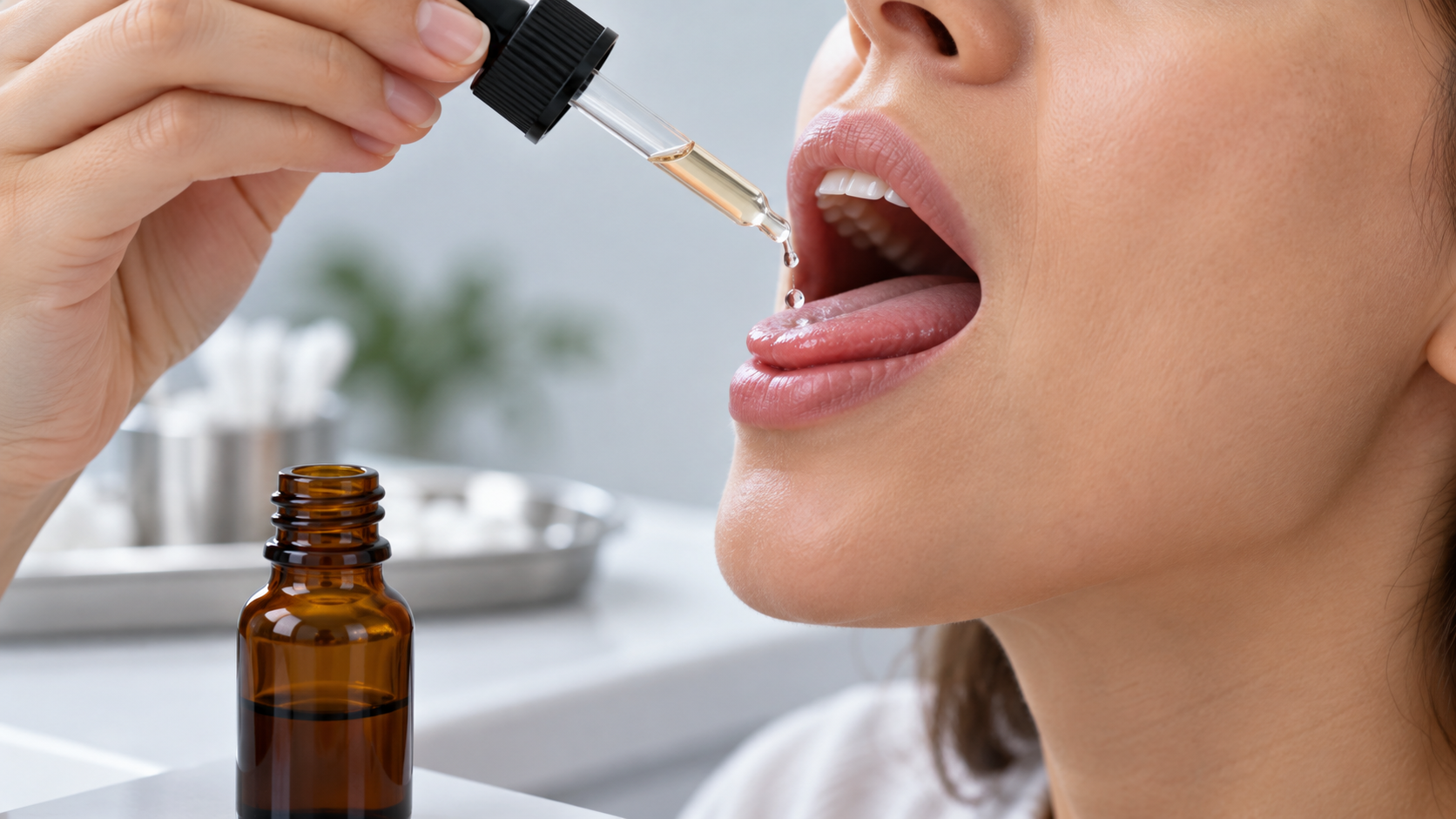
Injectable and Sublingual Vaccines
Subcutaneous (Injectable SBV)
Sublingual (Sublingual SBV)
These modes of administration ensure a direct and controlled approach to stimulating the immune system.
Subcutaneous injections: They offer targeted antigen delivery, with the advantage of a robust and stable immune response, which is essential for targeted treatments.
Sublingual administration: It allows rapid absorption through the oral mucosa, resulting in a less invasive but effective method that is ideal for patients who need a convenient and continuous treatment approach.

Nasal Vaccines and Aerosols
Nasal (Nasal-Oral SBV)
Aerosol (Aerovac)
These modalities harness the respiratory tract for rapid activation of the immune system and targeted action:
Nasal administration: It allows immediate integration of antigens directly into the airways, ideal for specific treatments in the respiratory field, promoting a local and systemic response.
Aerosol therapy: Because of the fine particles, it allows homogeneous distribution of the vaccine in the lungs, optimizing therapeutic efficacy and stimulating a complete immune profile.
These treatments aim to stimulate the immune response through the production of IgA, IgG, and IgM, and the activation of collaborating lymphocytes and macrophages.

Doubts?
Learn more about our immunotherapies and see the FAQs for all the information you need.
What is an allergy? An allergy is a disorder of the immune system that causes an exaggerated reaction to a substance called an allergen. The most common allergens are proteins of plant, animal, food or drug origin. Only allergic people develop an abnormal immune response when they come in contact with these allergens.
Causes of allergies Allergens can enter the body by inhalation (pollen, mites, fungal spores, animal epithelia), ingestion (foods such as nuts, milk, eggs, fish) or skin contact (nickel, latex, topical medications). Insect venom such as bees and wasps can cause severe allergic reactions.
Mechanism of allergy When an allergen enters the body, the immune system produces IgE antibodies, which trigger the release of histamine and other inflammatory substances, triggering allergic symptoms.
Symptoms of allergies Symptoms vary depending on the type of allergen and route of exposure:
- Allergic conjunctivitis: itching, tearing and redness of the eyes.
- Allergic rhinitis: sneezing, nasal congestion, itching.
- Bronchial asthma: coughing, wheezing, difficulty breathing.
- Atopic and contact dermatitis: itching, rashes, blisters.
- Urticaria and angioedema: pomphi, swelling of lips, eyes and limbs.
- Anaphylaxis: severe reaction with difficulty breathing, hypotension, shock.
Diagnosis of allergies Allergists use skin tests (prick test, intradermal test, patch test) and provocation tests (ocular, nasal, oral) to identify the allergens responsible.
Specific Immunotherapy (SIT) Immunotherapy involves the gradual administration of increasing doses of an allergen to reduce the immune response. It is the only treatment that can change the natural history of allergic disease and prevent asthma in patients with allergic rhinitis.
Administration of SIT Immunotherapy can be administered:
- Subcutaneous route: periodic injections.
- Sublingual route: administration under the tongue.
- Nasal route: less common. Treatment begins with low doses, gradually increasing to a maintenance dose.
Side effects of SIT Side effects may be local (redness, swelling at injection site) or systemic (rhinitis, urticaria, bronchospasm, anaphylaxis). Severe reactions should be treated with adrenaline, corticosteroids or antihistamines.
Vaccine storage The vaccine should be stored in a refrigerator (never in the freezer) and protected from light and shock. It should not be administered if expired.
Recommendations for allergic patients
- Allergy to mites: reduce home humidity, eliminate heavy carpets and curtains, use mite-proof mattress covers.
- Pollen allergy: avoid green spaces during pollination periods, use sunglasses, close windows during critical hours.
- Allergy to animals: avoid contact with pets or limit their access to living areas.
- Mushroom allergy: prevent moisture, ventilate rooms, clean with antifungal products.
- Insect venom allergy: wear light-colored clothing, avoid intense perfumes and outdoor foods, carry an adrenaline auto-injector at all times.
- Food and drug allergy: always read labels and excipients, avoid consumption of risky foods.
Specific Bacterial Vaccines (SBV)
SBVs are individualized therapeutic vaccines composed of a suspension of bacterial lysates. They are prepared from microbial serotypes standardized according to a formula prescribed by a medical specialist and used for specific immunotherapy.
Bacterial auto-vaccines
Auto-vaccines are suspensions of specific bacterial lysates obtained from bacteria in the patient's infectious lesions, taken directly in the doctor's office.
There are two types of self-vaccines:
- Simple: contain only bacteria isolated from the patient's exudate.
- Mixed: they combine simple auto-vaccines with bacteria selected by the medical specialist.
Mechanism of action
SBVs and self-vaccines create a state of defense against microorganisms in vaccines. The inactivated bacteria act as immunomodulators, stimulating both the innate (rapid response) and acquired (generating antigen tolerance) immune systems.
Key benefits include:
- Increased immune system response to infectious agents.
- Use in the prevention and treatment of recurrent infections or those resistant to conventional treatments, such as antibiotics.
- Reduction of symptoms and recurrences.
- Decreased antibiotic consumption and risk of antibiotic resistance.
Therapeutic benefits
SBV and auto-vaccine treatments offer several advantages:
✔️ Enhancement of immune response against recurrent infections.
✔️ Enhancement of immune response against recurrent infections.
✔️ Improvement of the patient's clinical condition.
✔️ Minor absence from school or work due to illness.
✔️ Safe treatment: bacteria are lysed (not alive or attenuated).
✔️ High safety, with minimal adverse effects and no serious reactions.
✔️ Compatibility with other therapies.